I am here in Vienna for the first time and have four days to explore the galleries of this magnificent city. I have long wanted to visit Vienna, ever since I visited a Gustav Klimt and Egon Schiele exhibition in Japan in 2019. I have five main galleries to see plus whatever else I can fit in:
– The Albertina
– The Belvedere
– The Leopold
– The Secession building
– The Kunsthistorisches Museum
1 March 2023, The Albertina
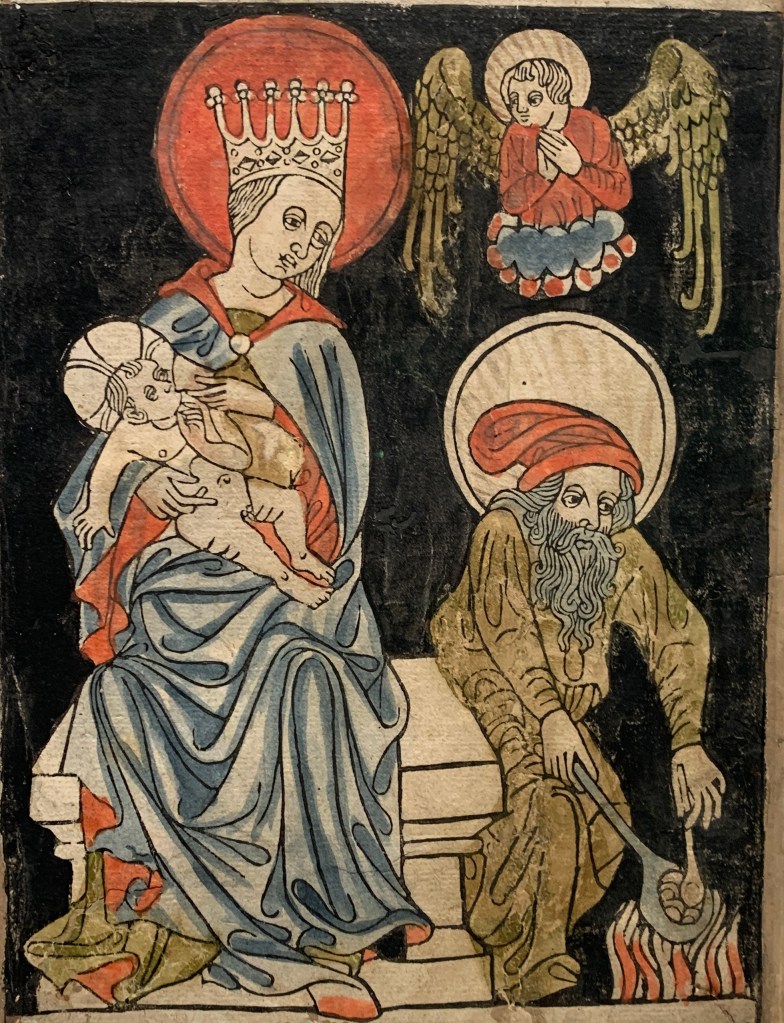
The Albertina is a gallery famous for having some beautiful old masters drawings including works by Rafael, Michaelangelo and Albrecht Durer. My current interest in art started when I read a book called the ‘1,000 paintings to see before you die’ and in that book there were two works by Durer that are in the Albertina. They are ‘Hare’ 1502 and ‘Wing of a Blue Roller’ 1512.


I do not know a huge amount about Durer but his work does strike me as so different to what other artists of that period were doing. Whilst he did paint portraits, some of his work is studies of birds, trees, plants, animals and the human body. At a time when religious and classical subjects were the flavour of the day, it seems to me that he really was forging his own artistic path.
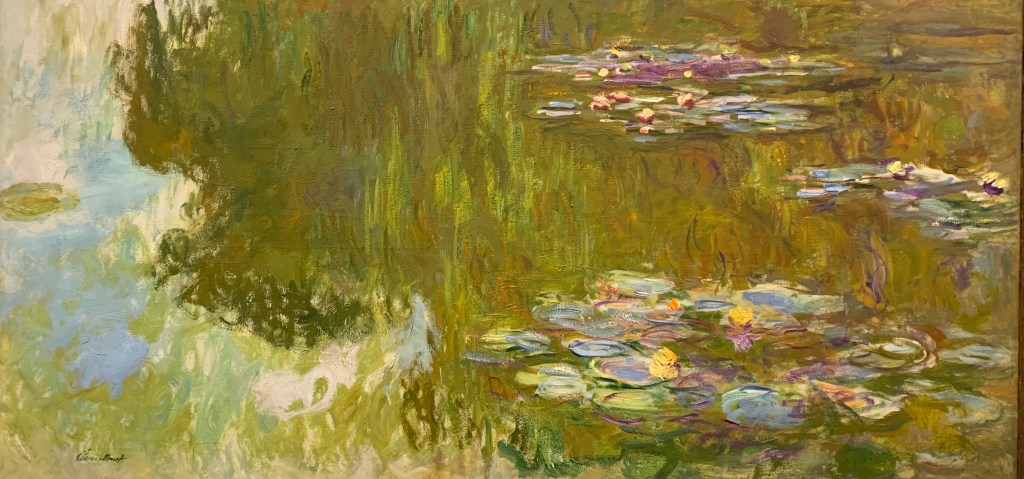
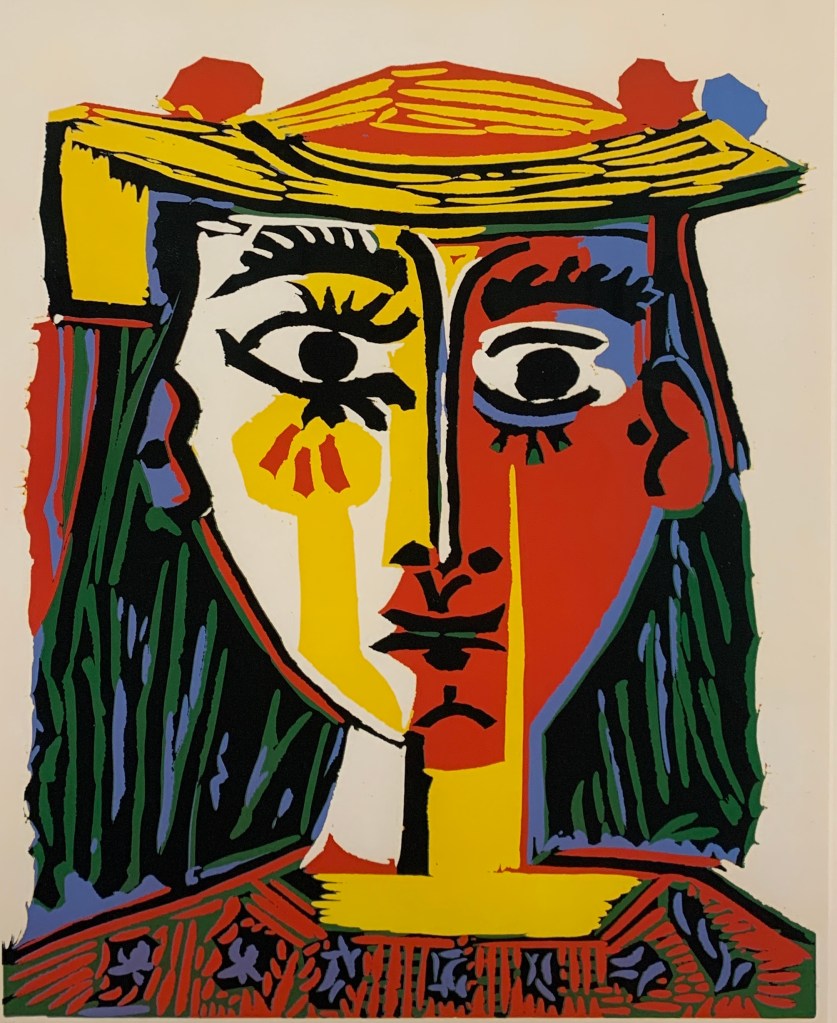
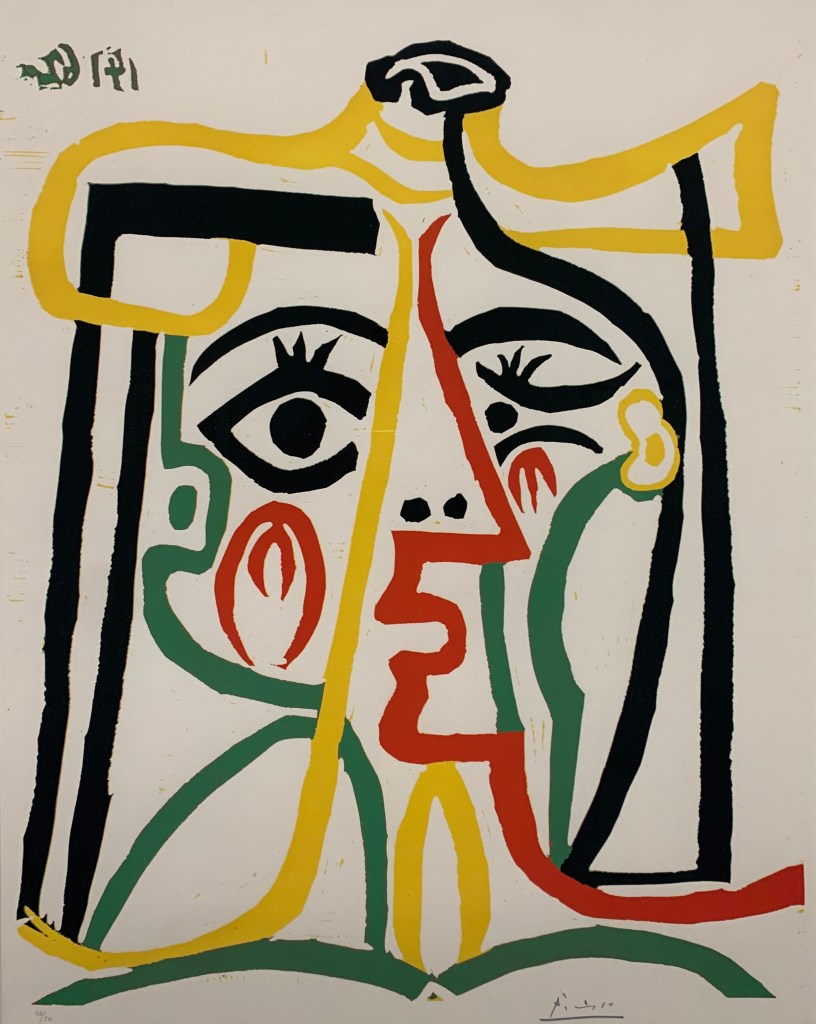
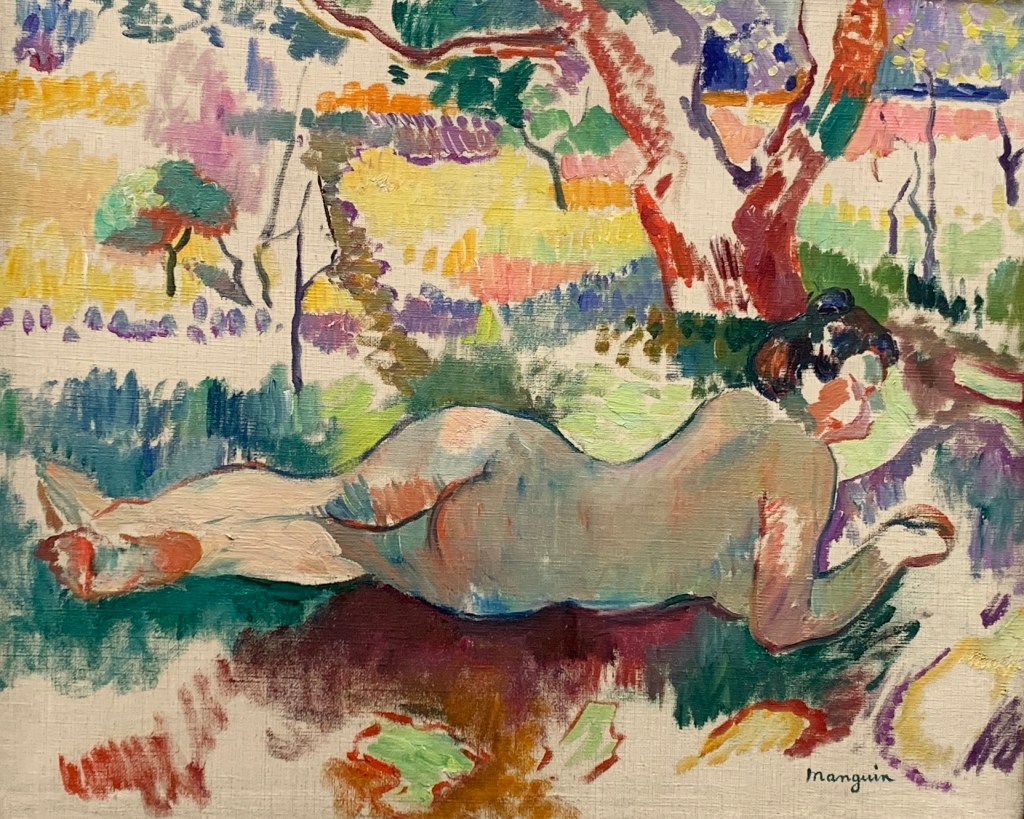
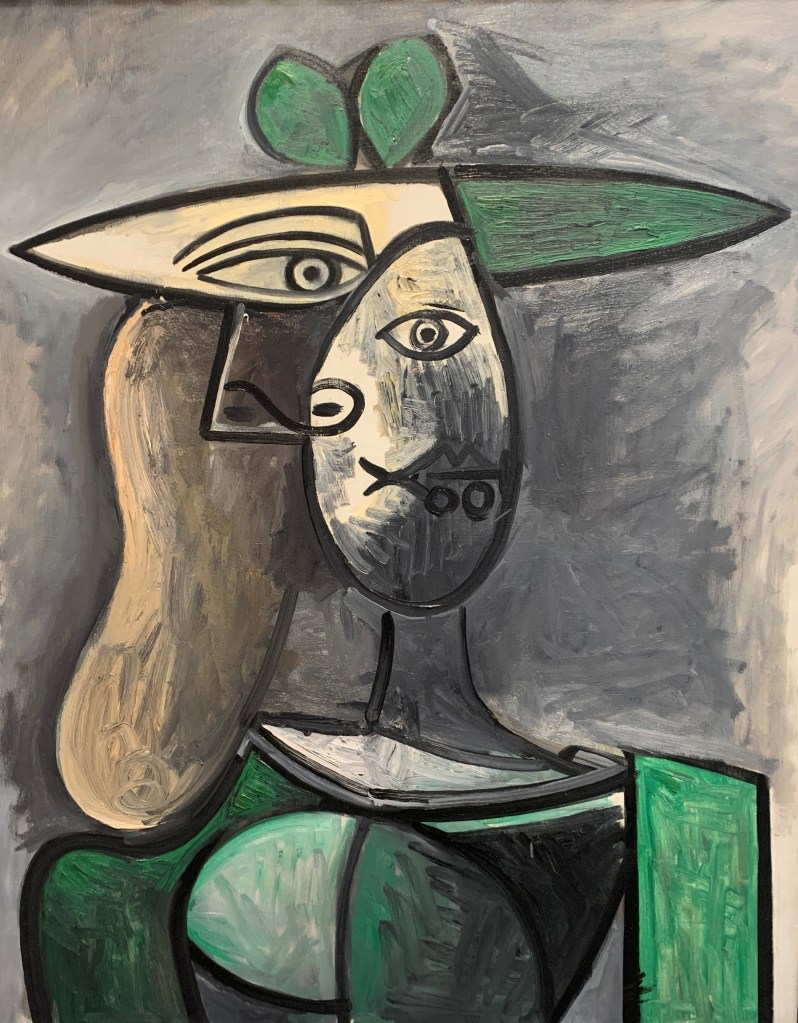
The other outstanding collection in the Albertina is the Herbert Batliner collection. He was a Lichenstein lawyer who died in 2019. He amassed an amazing collection of artworks, and donated it the Albertina. The focus of his collection is Impressionism, but he also collected many other artists including:
– Alberto Giacommeti
– Pablo Picasso
– Amedeo Modigiliani
– Henry Manguin
The gallery is worth visiting alone just to see his collection. There are some beautiful works by Claude Monet and Paul Signac.
Entry is roughly €19 to get in. It is open late Wednesdays til 9pm, which is when I went and Fridays too I think.



2 March 2023, The Belvedere
If the Albertina was the starter, the Belvedere was the main course! What a stunning collection of art. Mind. Blown! This is probably a good time to mention the Vienna Secession. It was an Austrian art movement formed in 1897, by the artists Gustav Klimt, Josef Hoffman, Koloman Moser and Otto Wager.
The art of the secession is identifiable as similar to that of the art nouveau movement. In fact the exhibition at the Belvedere demonstrates how Klimt was inspired by other artists of the time. The reason it is called the secession is because the group saw themselves as seceding away from traditional artistic styles of the day. The Belvedere displays many works of the secession along with probably my favourite artist Egon Schiele. There were so many amazing paintings by Schiele and by Klimt in this gallery.
In fact the Belvedere is 3 galleries. The Upper gallery has lots of the Klimt works, and is the largest. The Lower gallery seems to have more exhibitions. In March 2023 when I visited they were showing a selection of paintings from the gallery celebrating 300 years of the gallery. They were also showing an exhibition showing the artists who inspired Klimt, including Lawrence Alma Tadema, Margaret MacDonald MacIntosh and Van Gogh. Both are excellent exhibitions.
The entrance fee of €22.90 gained me entrance to both galleries. I recommend booking online as you have to select a time slot and saves queueing.
Like all the art here, there is a huge depth in the work on display. For maybe the second time ever I actually had to say I had seen enough art! The poster below is from the first Secession exhibition, from 1898.

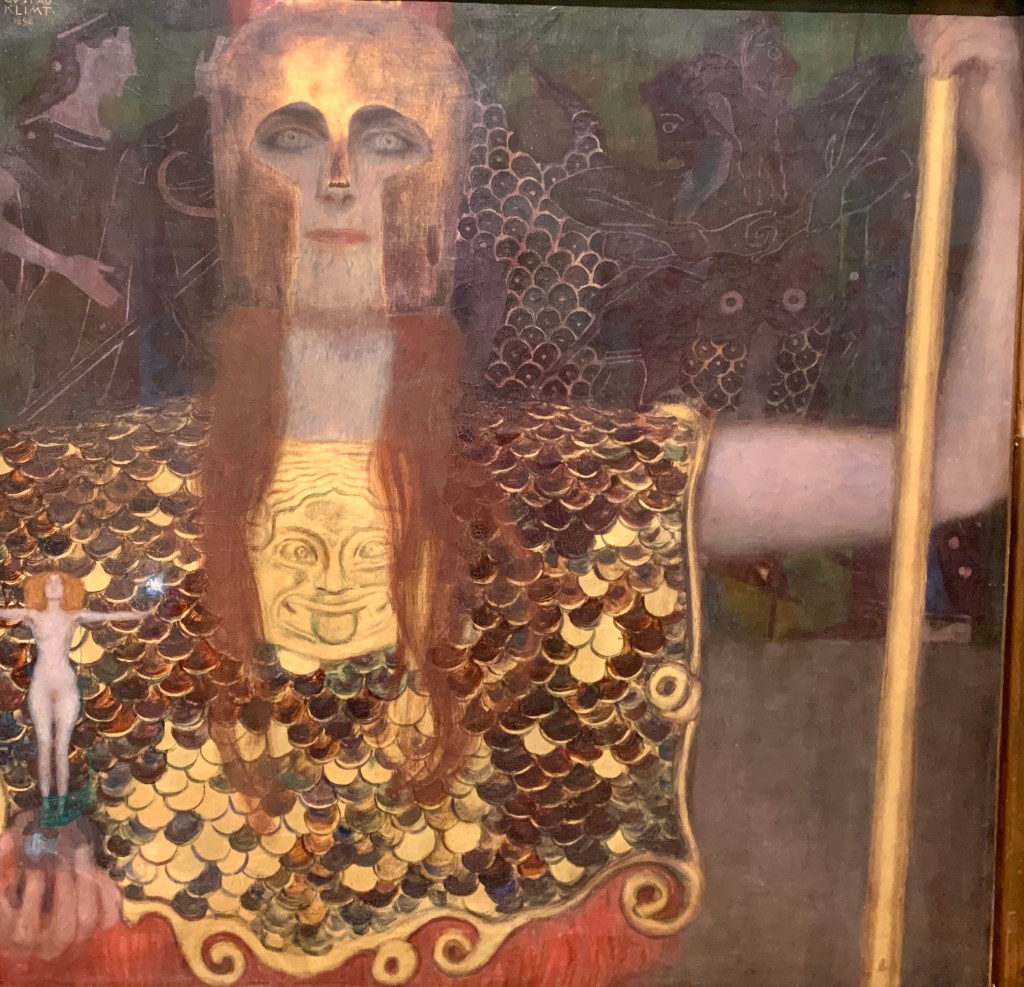
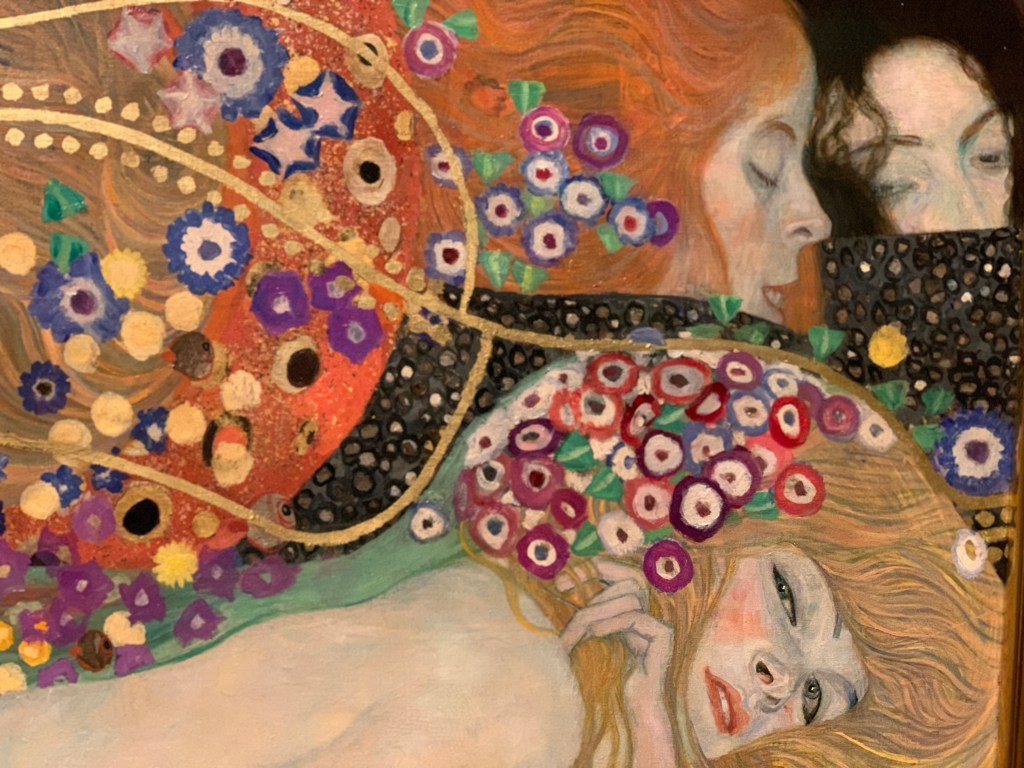
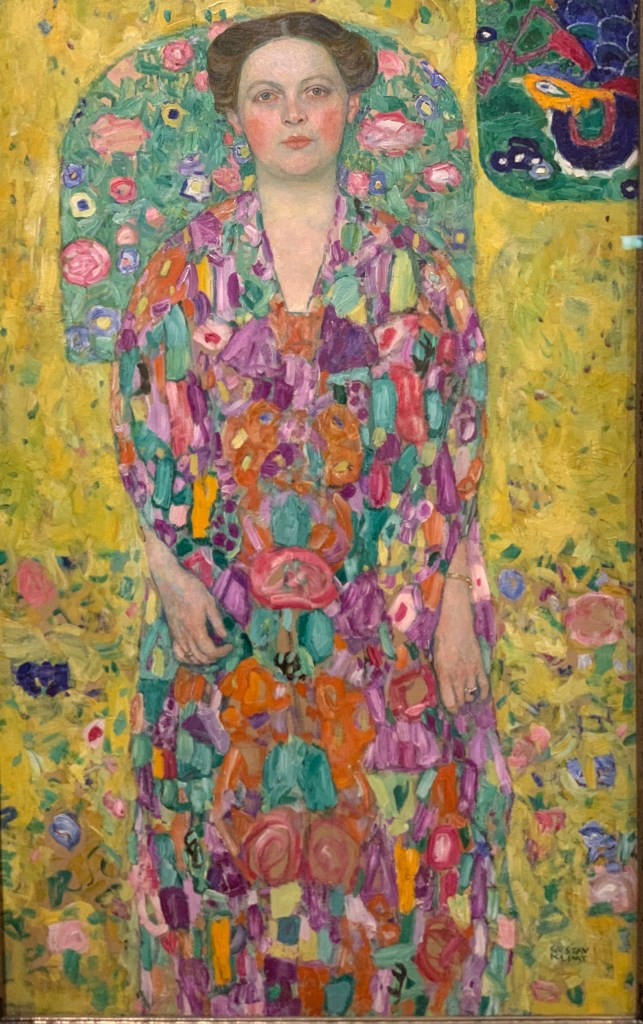
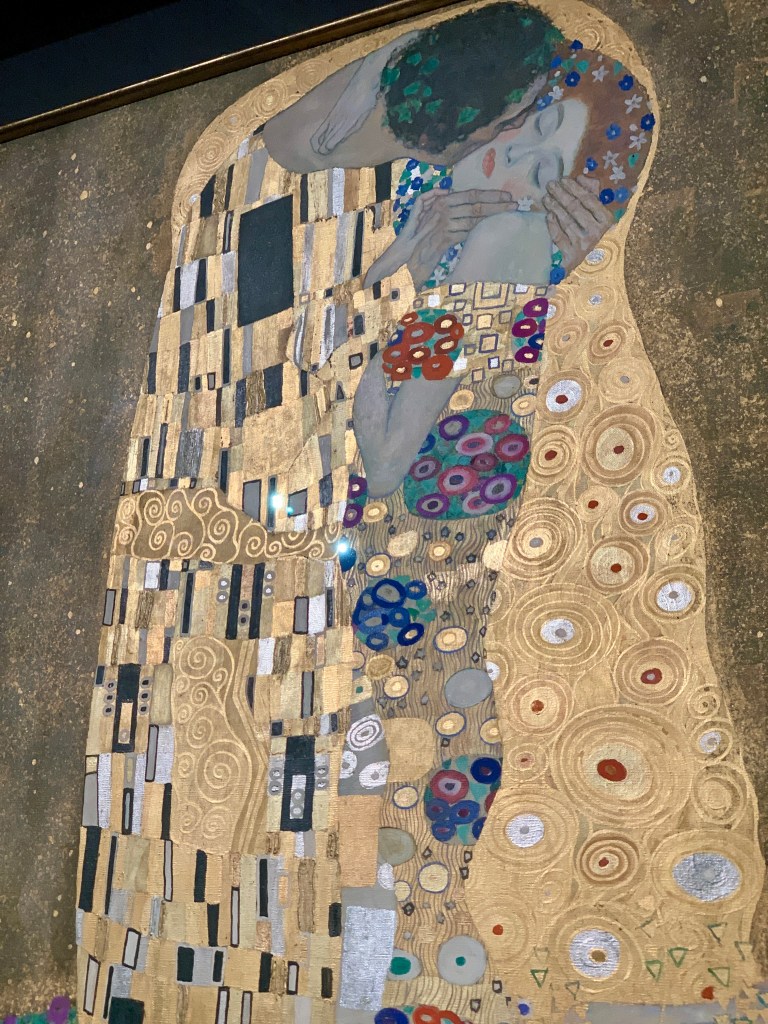
There are so many artworks to chose to accompany this post, here are some of my favourites.
Gustav Klimt at the Belvedere


Egon Schiele at the Belvedere
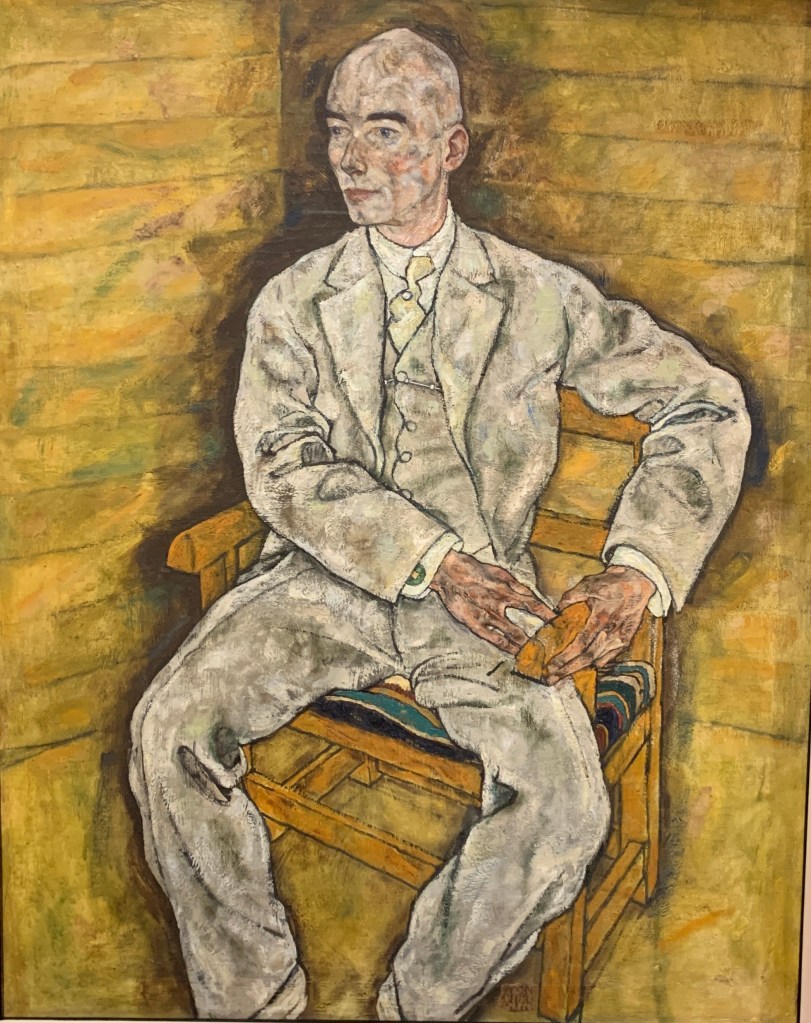
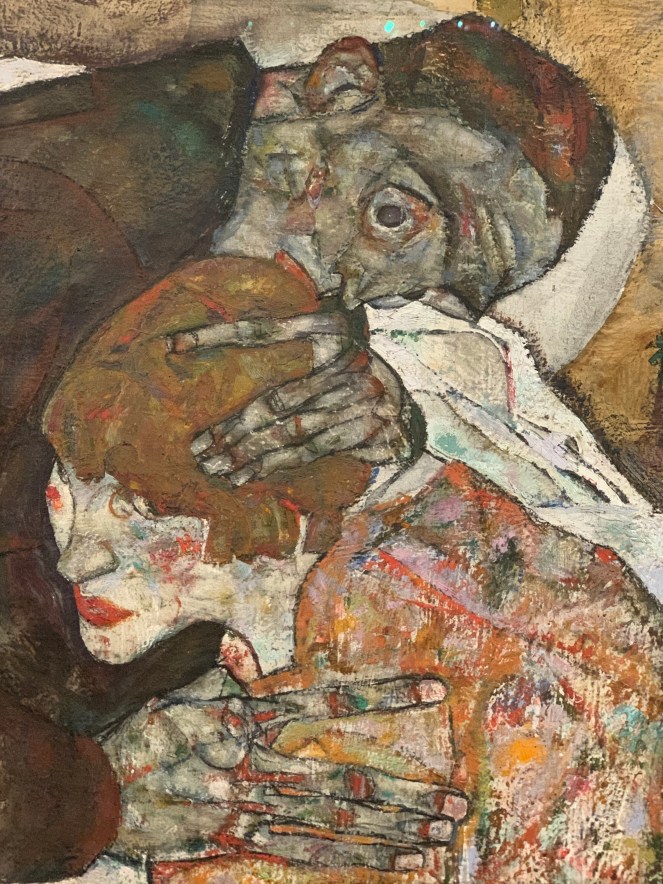
The Belvedere has a great collection of Schiele’s works, some of which are below. However the museum I am going to tomorrow has the largest collection in the world, the Leopold. To say I am excited to go is an understatement!



3 March 2023, The Leopold
The Leopold Museum was founded through a donation of a huge and significant private art collection and has become a leading gallery for Austrian art, especially that of Egon Schiele. The couple who collect the original artworks were Elizabeth and Rudolf Leopold. The museum opened in 2001. It is spread over about 4 floors, the permanent collection being on three of the floors. It is mainly late 19th and early 20th century Austrian art.
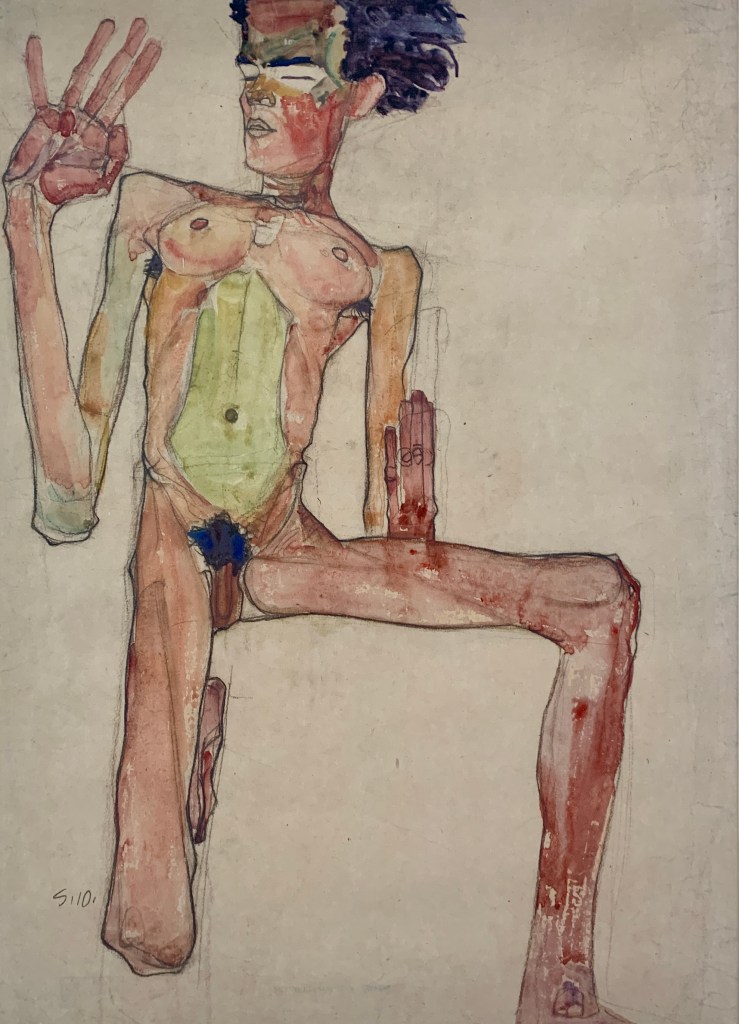
It’s a very modern building, has a nice cafe and a great shop. It costs about €15 to enter. I loved the collection, obviously the Schiele works I loved too! Schiele was a ground breaking artist, painting in a technique unique to him. He does not paint in a realistic manner.
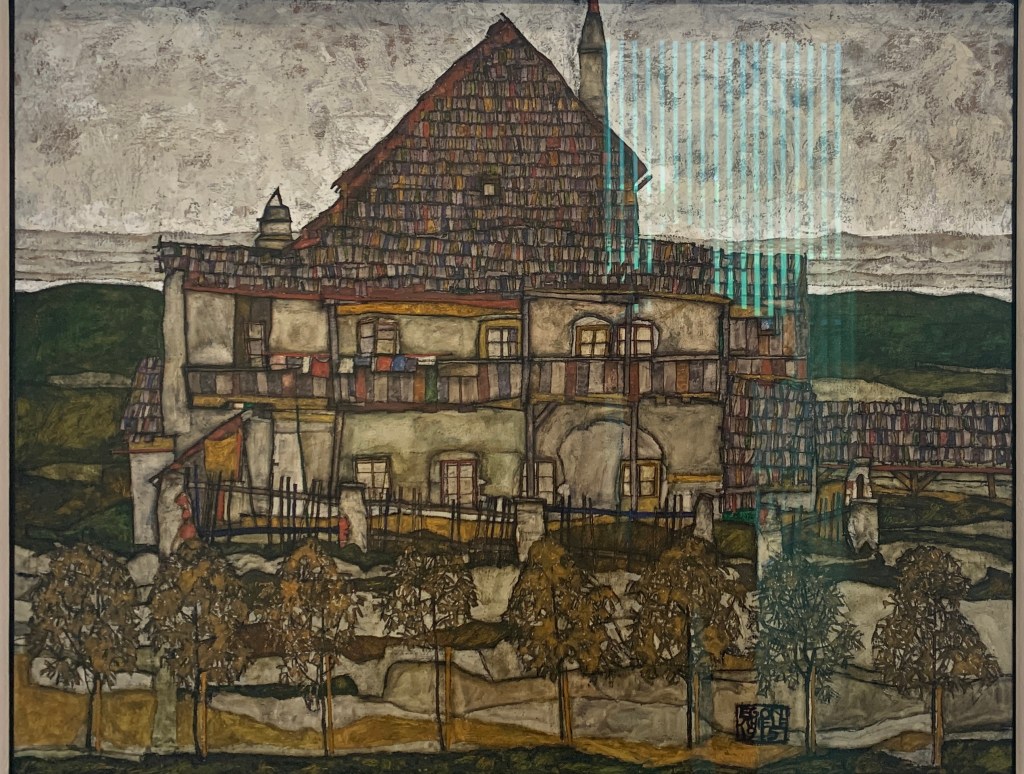
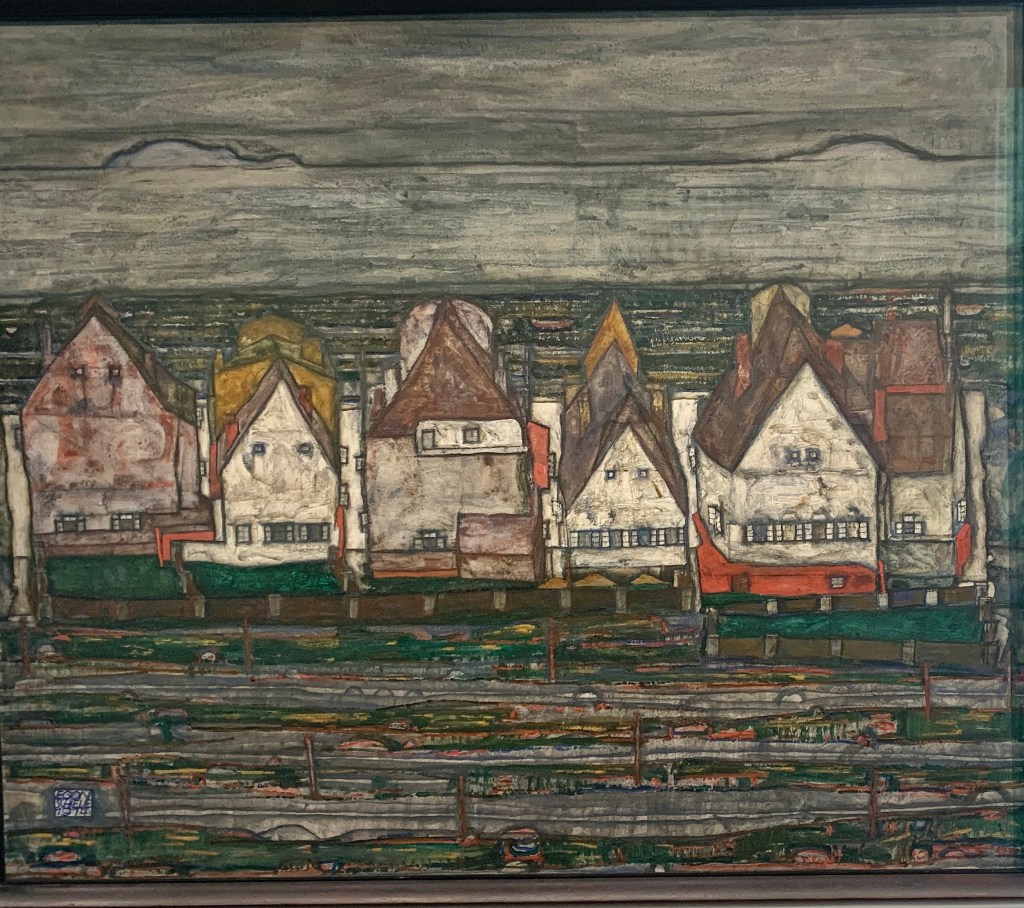
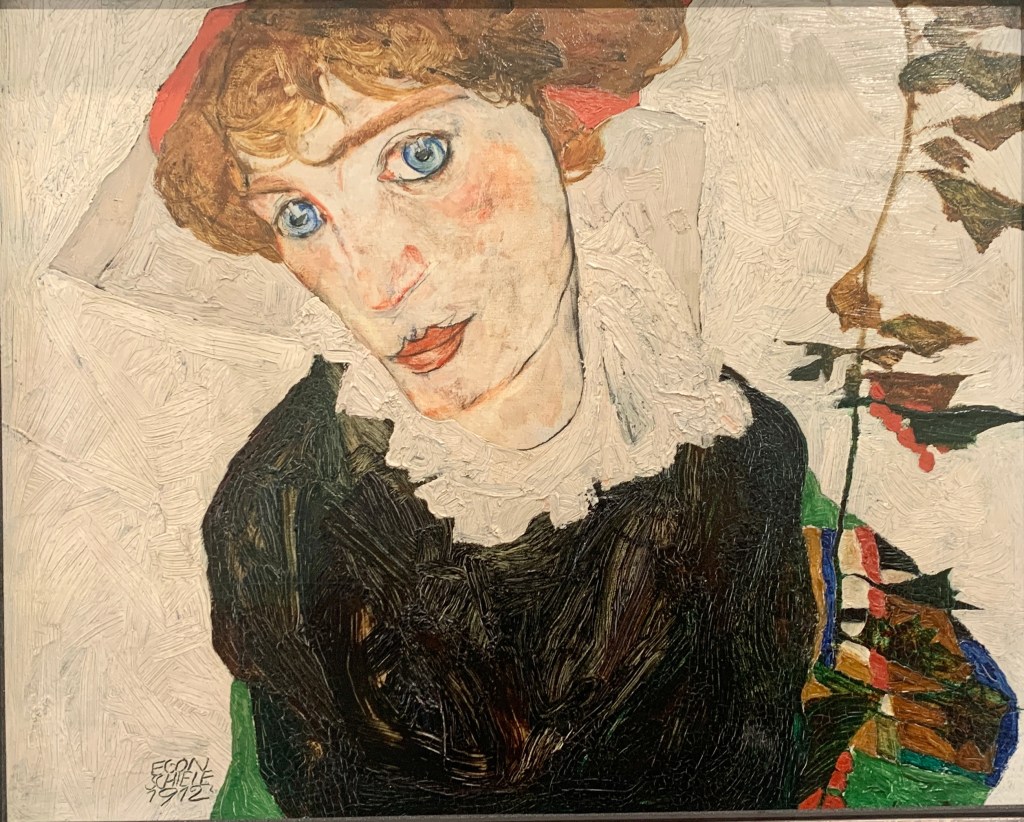
Having read quotes from him, he was interested in painting the soul of the people he saw, the truth he saw of the Austrian landscapes and the objects around him. He was a contemporary of Klimt, though was about twenty years younger.
He met Klimt in 1907, and they both exhibited at the secession building, which I visited today also. Schiele finally made it big in 1918, with a successful show at the building. He finally felt he had risen out from under the shadow of Klimt. Tragedy then struck. His wife Edith, featured in many of his portraits, died of flu in 1918. Schiele also then died of flu just a few weeks later.
What could his career have become if he had survived? He was just 28 years old when he died.
Schiele landscapes


Schiele portraits



Klimt at the Leopold
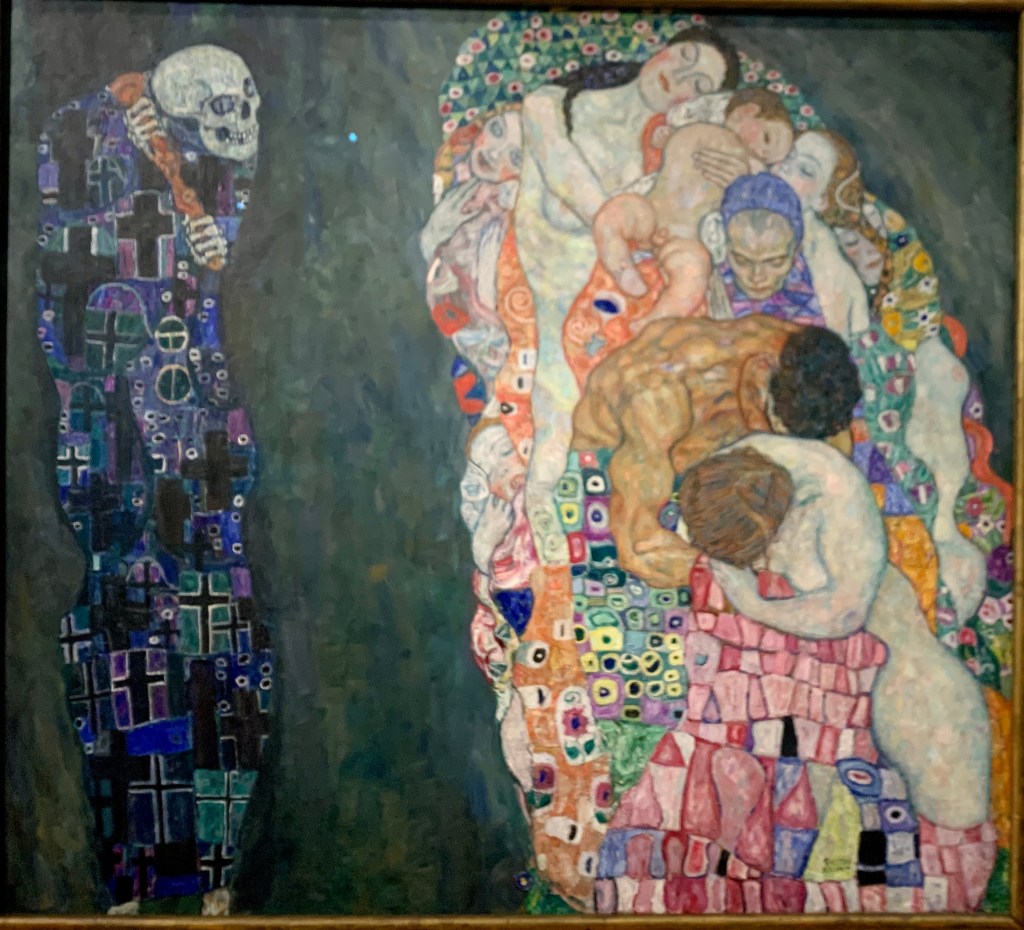
The gallery also has some wonderful Klimt’s, including one of his masterpieces, ‘Death and Life’, 1910.
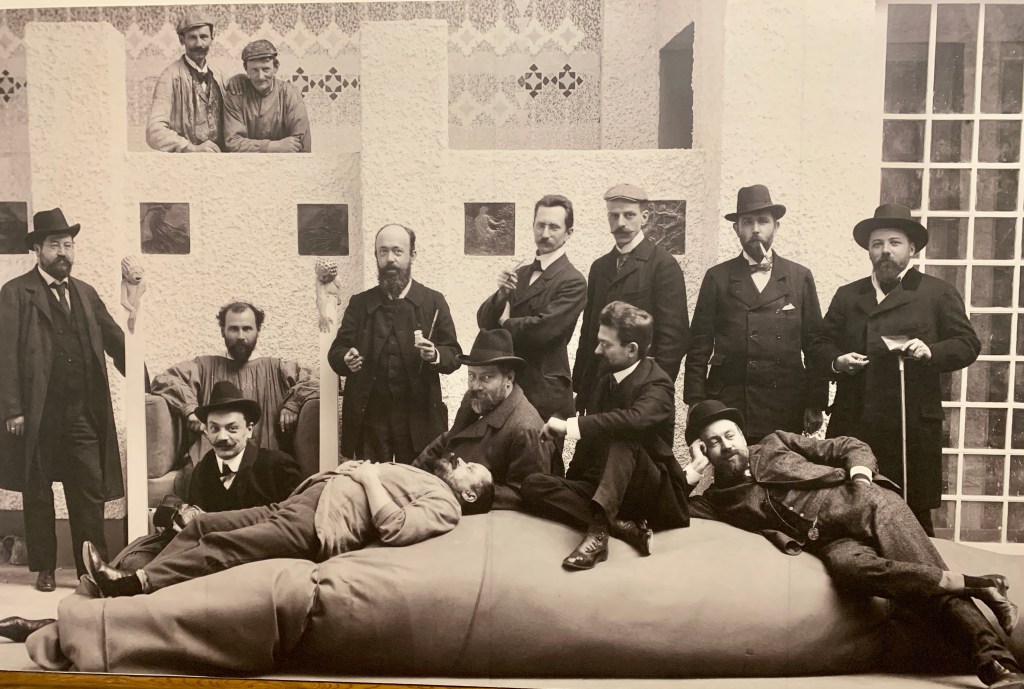
The Secession Building
I also visited the spiritual home of the Vienna secession movement. This black and white photo shows the original members, including Klimt, seated on the left.
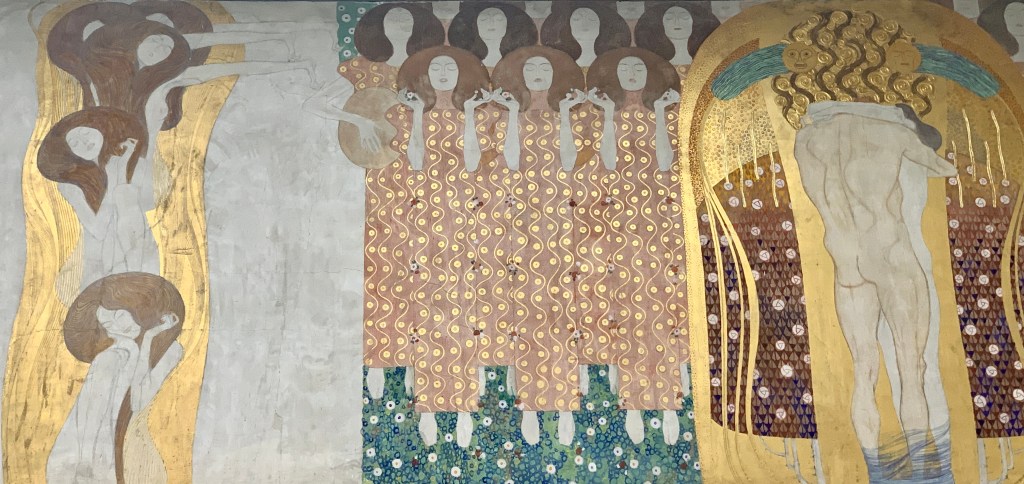
As mentioned, Klimt was a key figure, and he created a wonderful artwork on the walls of the building for the 1898 show that launched his career. The work is called the Beethoven Frieze. The building is a nouveau masterpiece with a wonderful golden crown on top of the building. It costs €12 to enter.



4 March 2023, the Kunsthistorisches Museum
My final day and I headed off to what I think translates in to the ‘art history museum’, You can find it in the ‘MQ’, the Museum Quarter, opposite the Natural History Museum. It is €21 entry.
The collection is vast so I did not attempt to see it all. The first floor has all the pictures. The ground floor is Egyptian and Roman artefacts plus lots of items from what I think was the Hapsburg Royal collection.
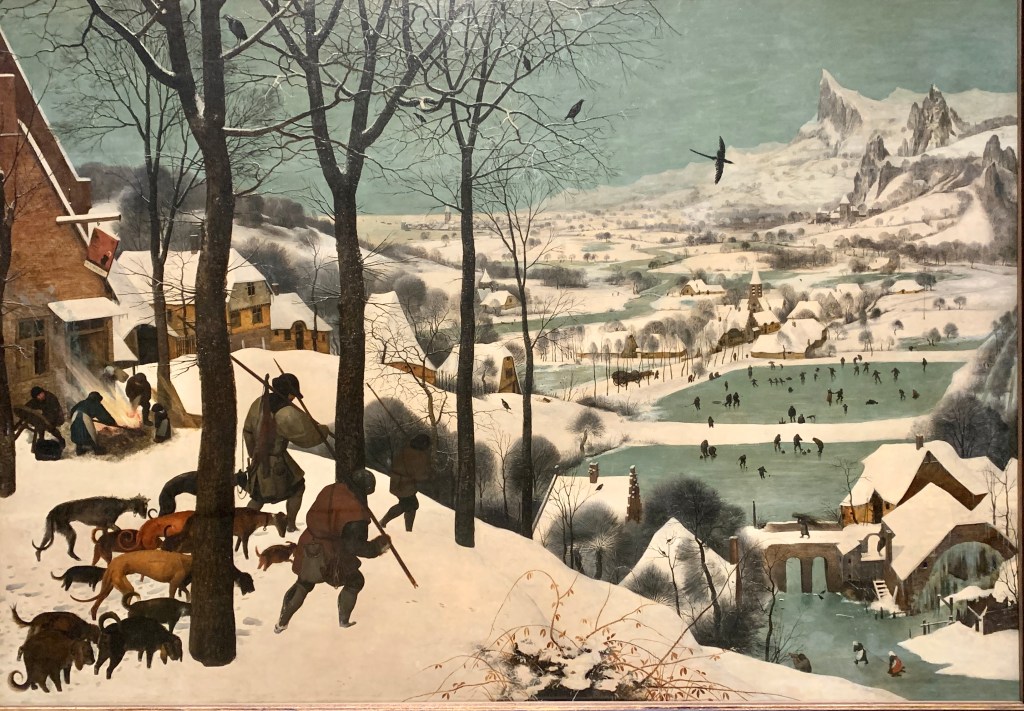
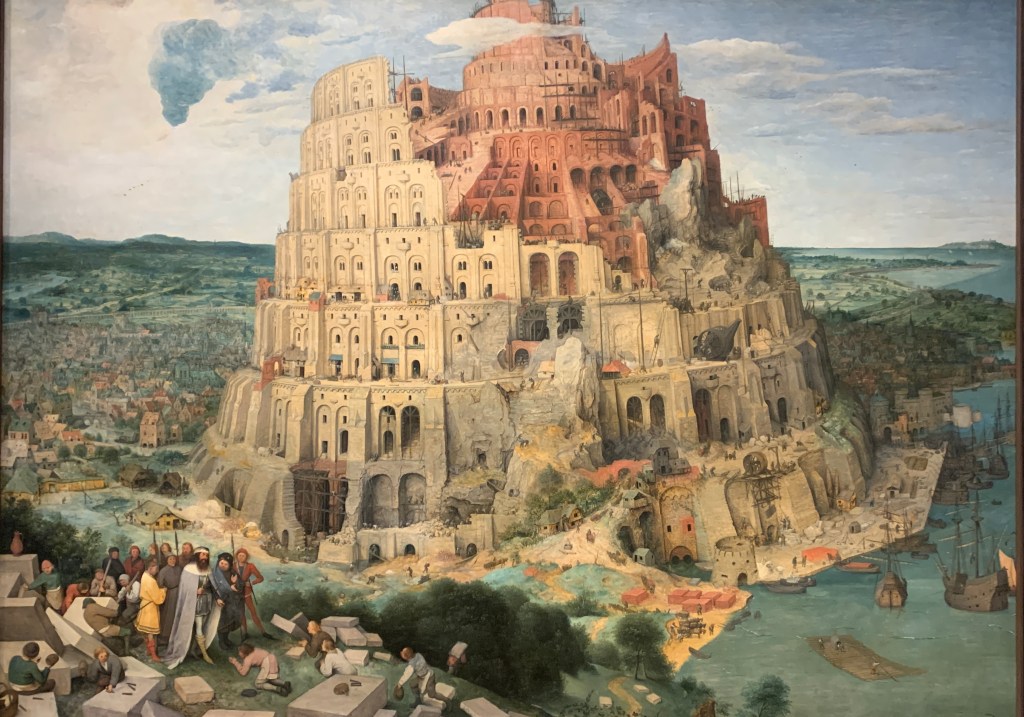
The art here is more ‘traditional’. Think Titian, Velasquez, Rubens. Some of the stars of the show are the paintings by Dutch artist Pieter Bruegel. He is famous for being one of the first artists to depict everyday people and everyday landscapes. One of his most famous works is largely credited as being the first painting to ever show a winter landscape. Some of his other famous works shown in the gallery depict peasants partying and celebrating and going about everyday life.
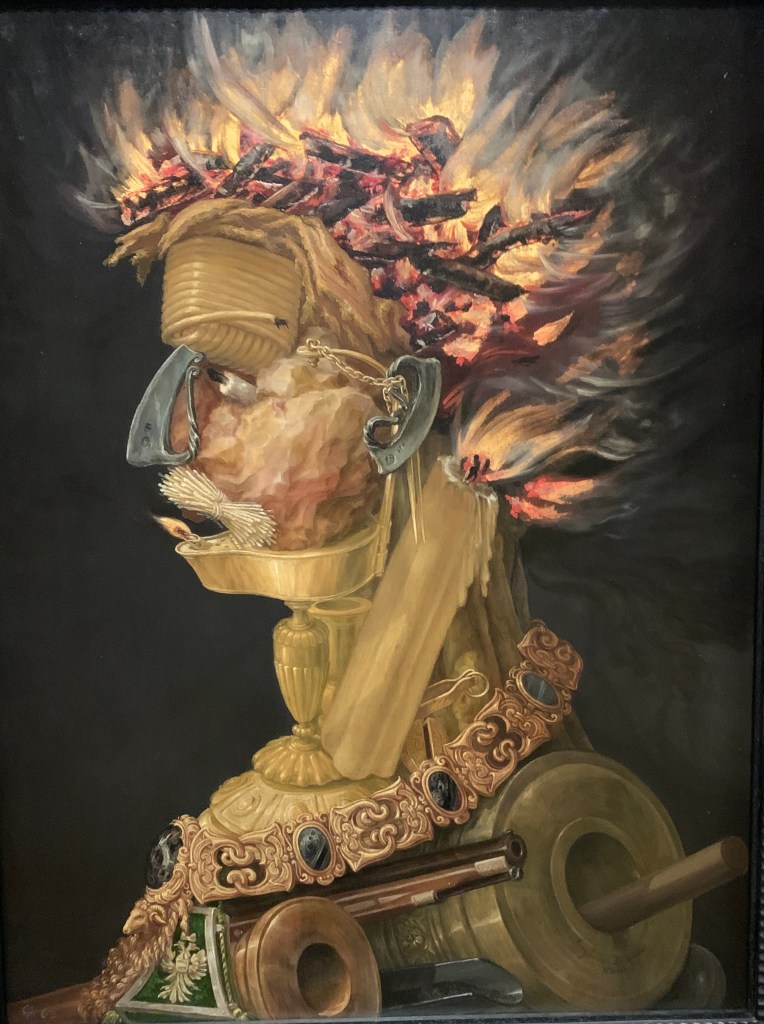
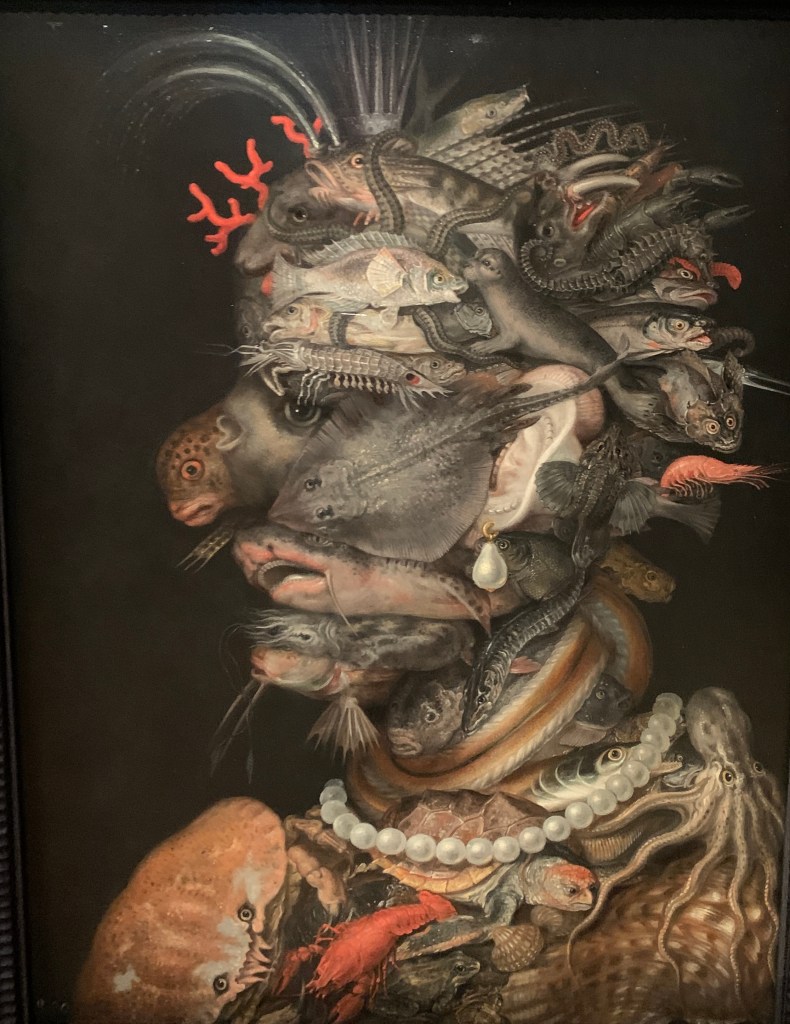
Another artist show here is Giuseppe Arcimboldo. Painting in 1563 he created 4 paintings showing the 4 seasons. However what is unusual is that he created 4 portraits of people showing the seasons using inanimate objects such as fruit, dead fish and guns! They really are fascinating and strange works of art.
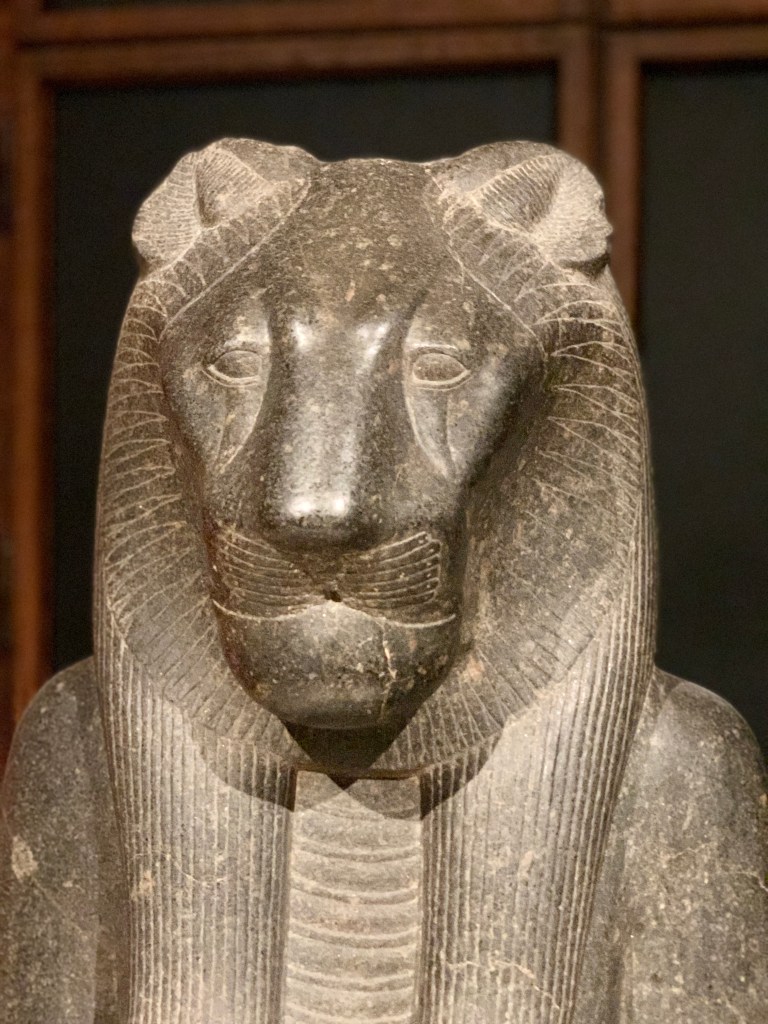
The Roman and Egyptian collections are vast, lots of sarcophagi and statues. Whilst I enjoyed the gallery, it is not all to my taste, I prefer straight up painting!
Pieter Brugel

Giuseppe Arcimboldo

Egyptian artefacts




 Ben Hills-Jones
Another outstanding blog Ben
Such fascinating details.
LikeLiked by 1 person