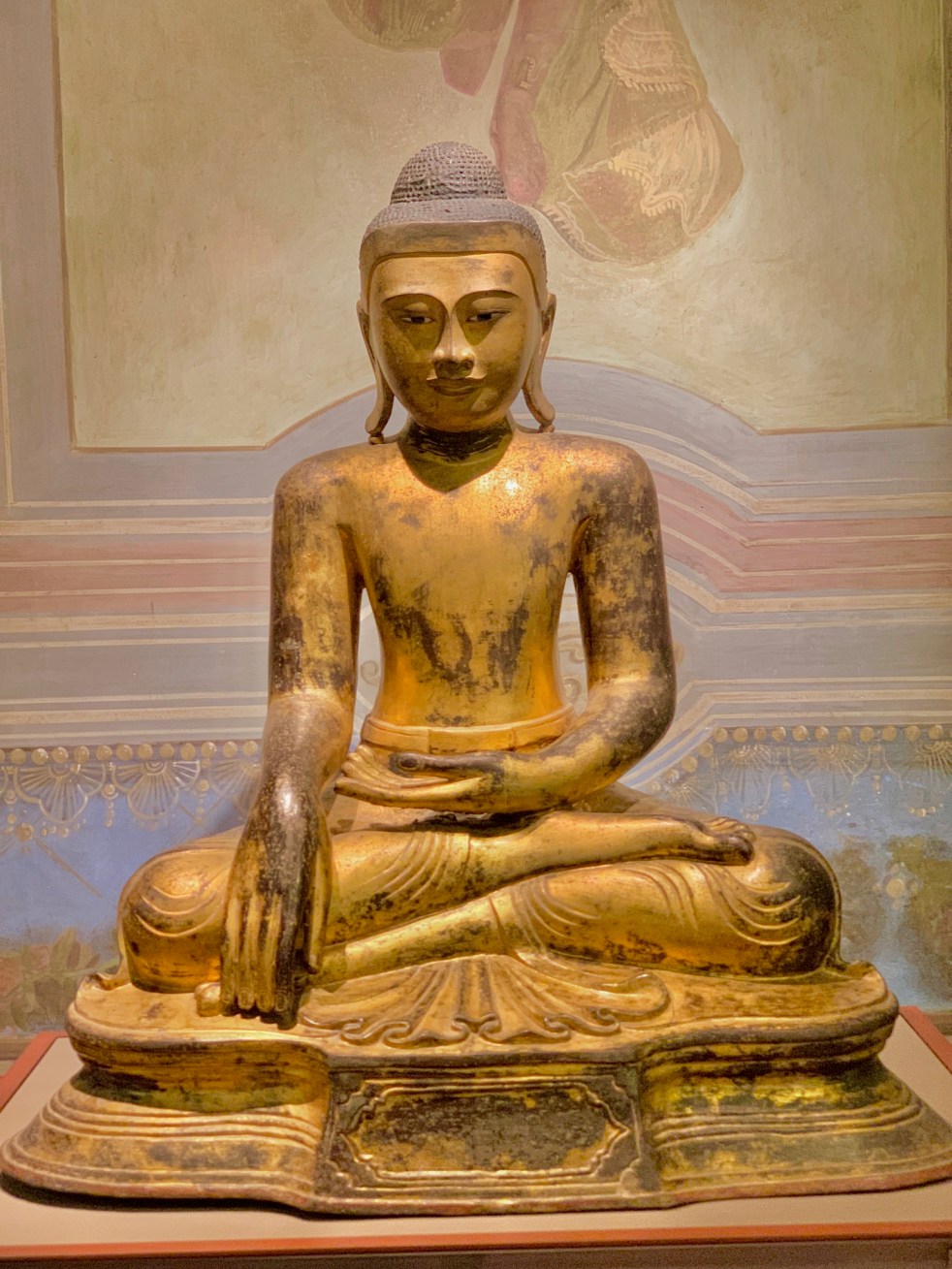
I visited the Museum of Eastern Art on a trip to Italy in September 2022. It is truly one of the best Asian art galleries I have ever visited and I would highly recommend going. Laid out over three floors, it covers the art of China, India, Japan, Thailand, Burma, Cambodia, the Himalayas region, including Tibet and also has a section on Islamic art. For more information go to the Museum website.
Here are some of my highlights from the collection, as well as video compilation of my time in Turin and Genoa.
India

Bharhut area (Madhya Pradesh) India
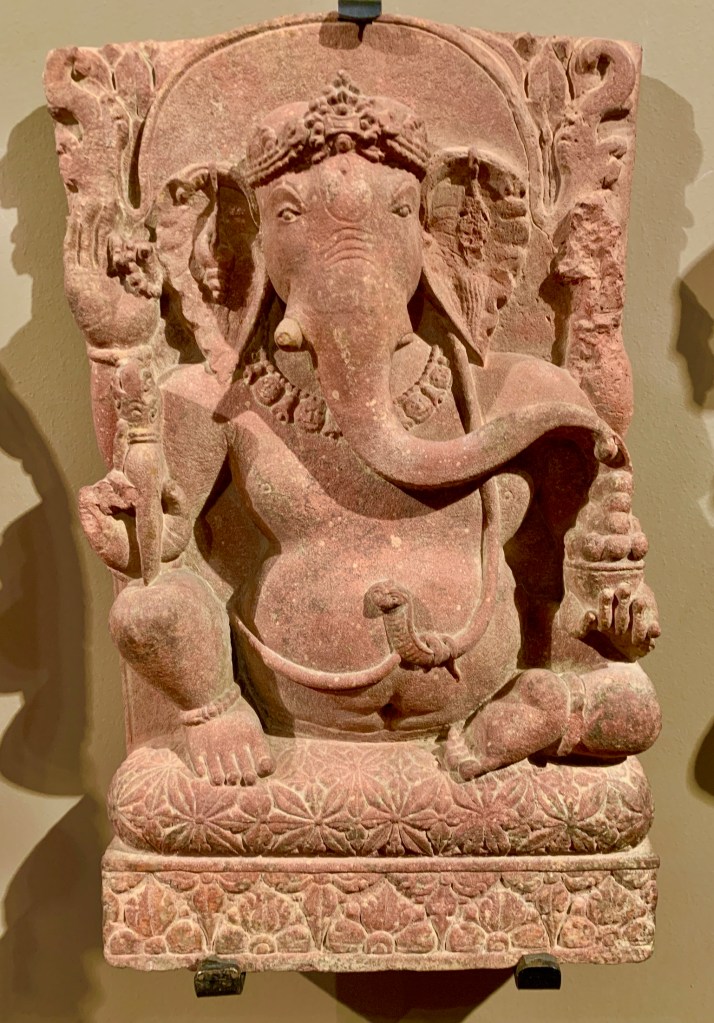
Northern India, made of red sandstone
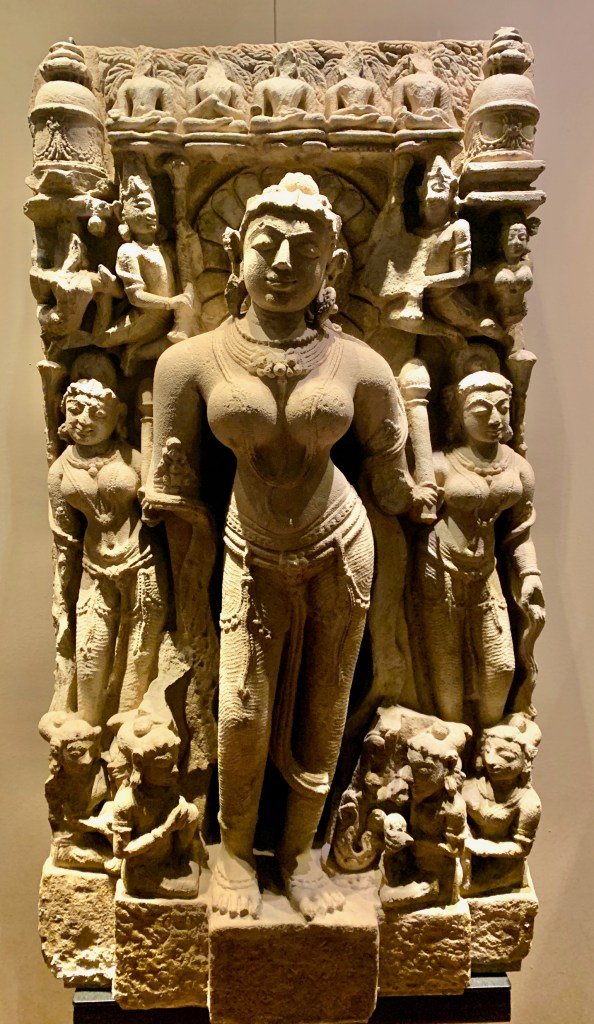
Madhya Pradesh, India

North India, sandstone

12th century, North-East India, Basalt
Burma
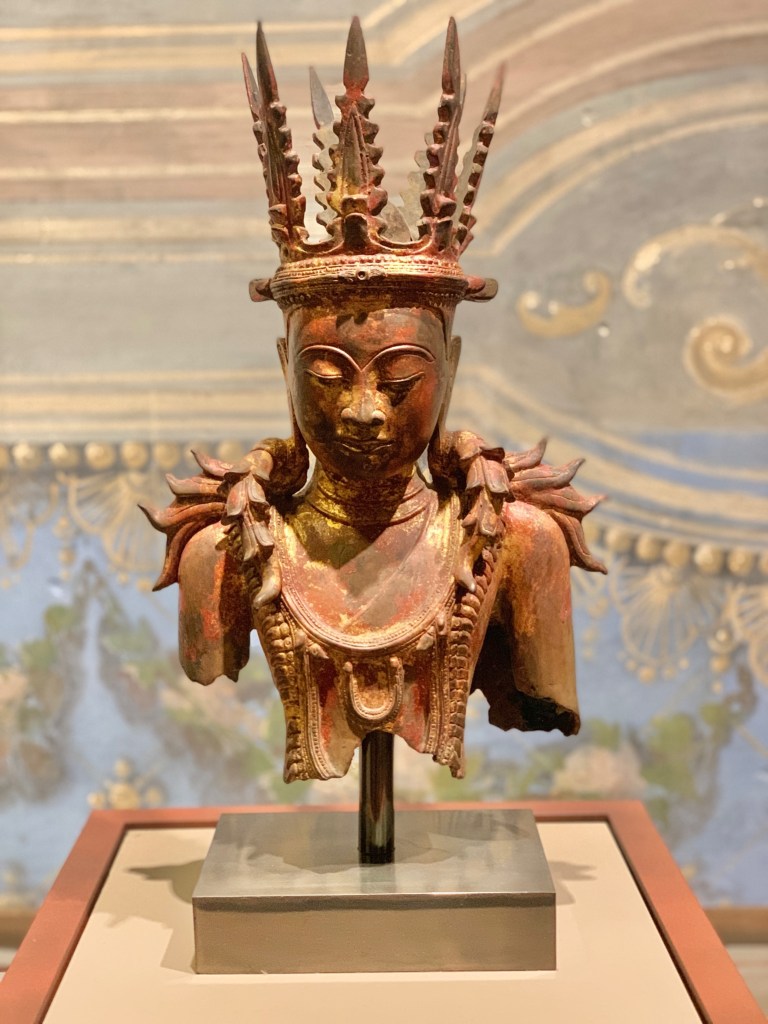
Arakan, Burma, lacquered and gilded bronze

Burma, lacquered and gilded bronze
Thailand

Bronze
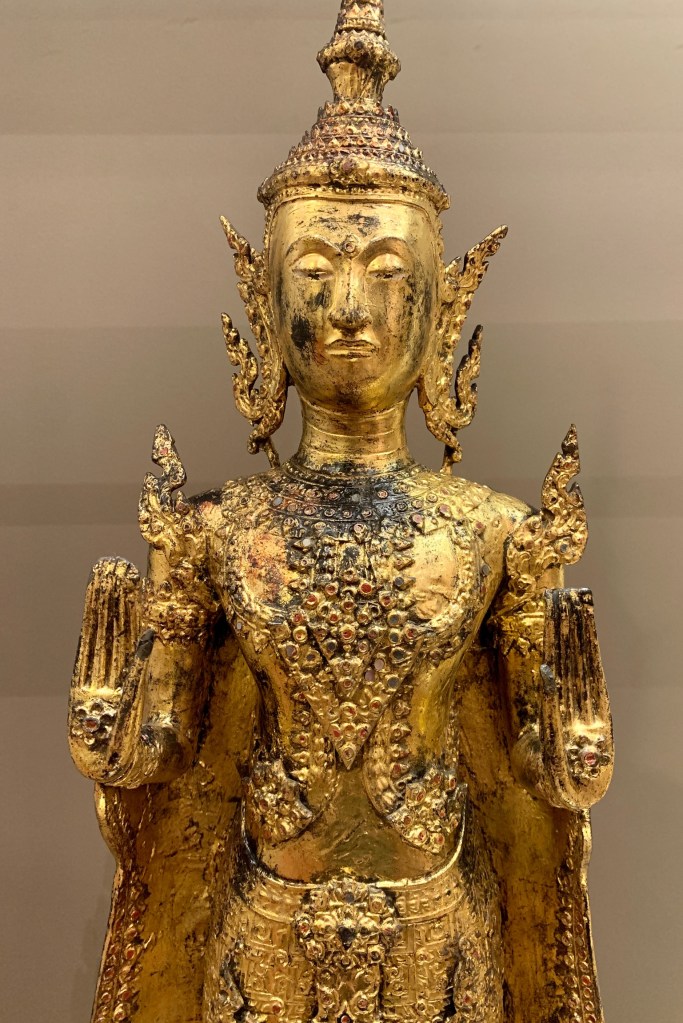
Oxidised and gilded bronze

Lacquered and gilded bronze
Pakistan & Afghanistan
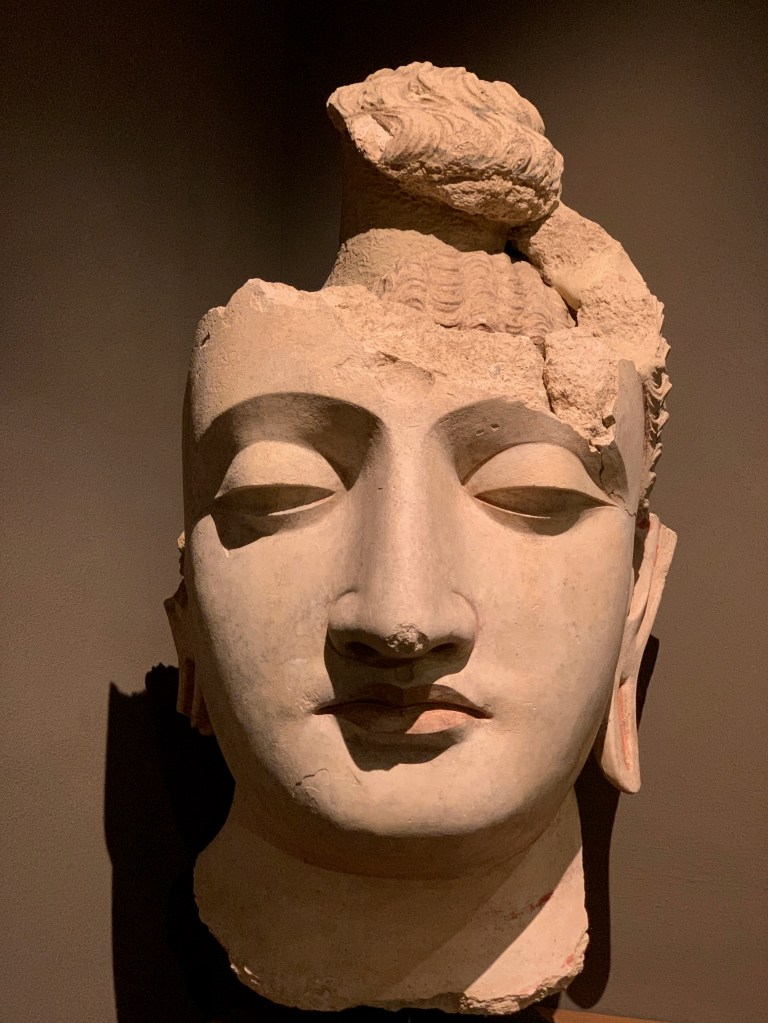
North-Western Pakistan or Afghanistan, stucco with traces of pigments
Japan
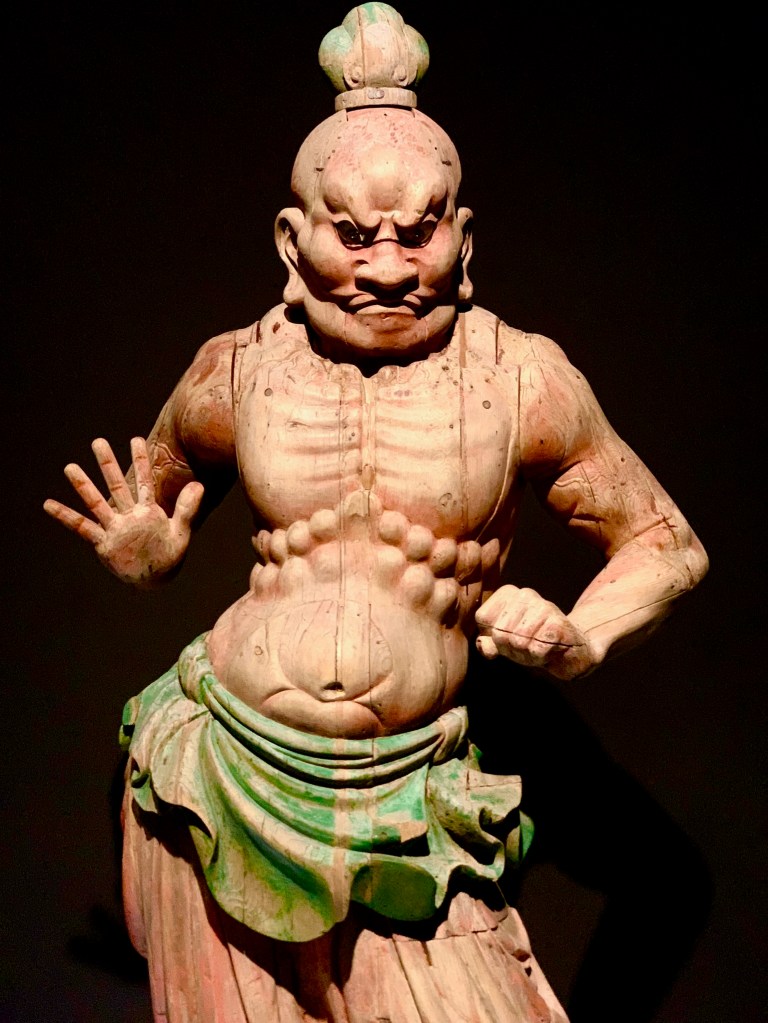
Cypress wood
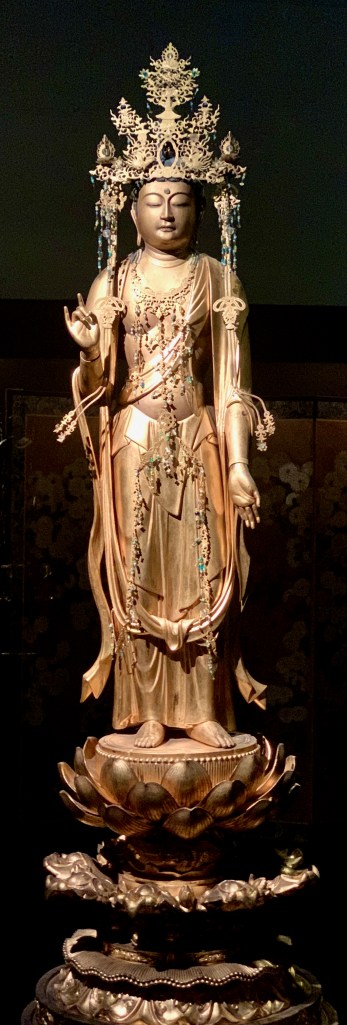
Japan, cypress wood and gilded lacquer
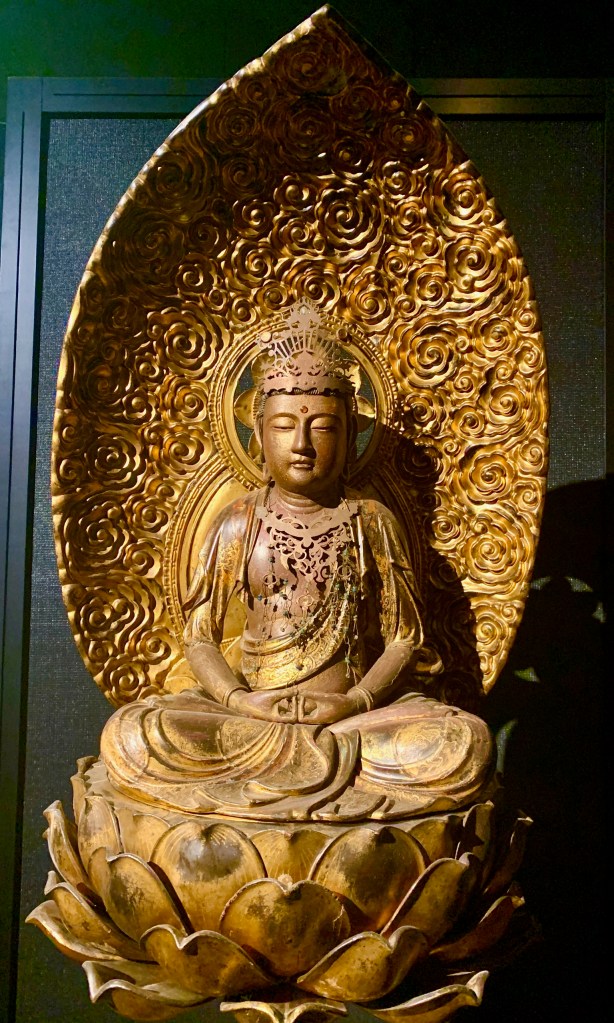
the symbol of lighting typical of tantric Buddhism
Cypress wood and gilded lacquer

Lacquered and gilded wood, subsequently blackened
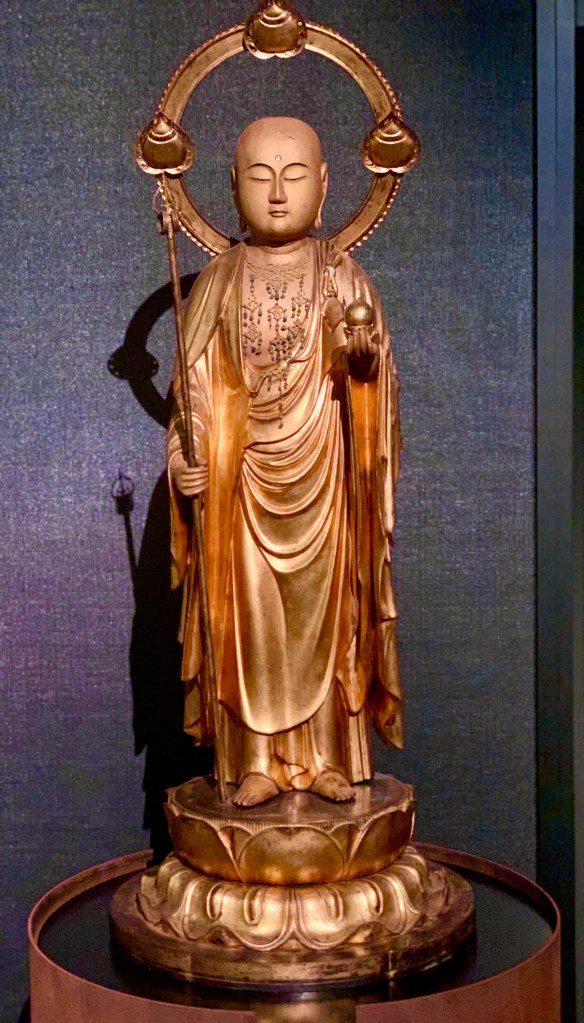
Tibet
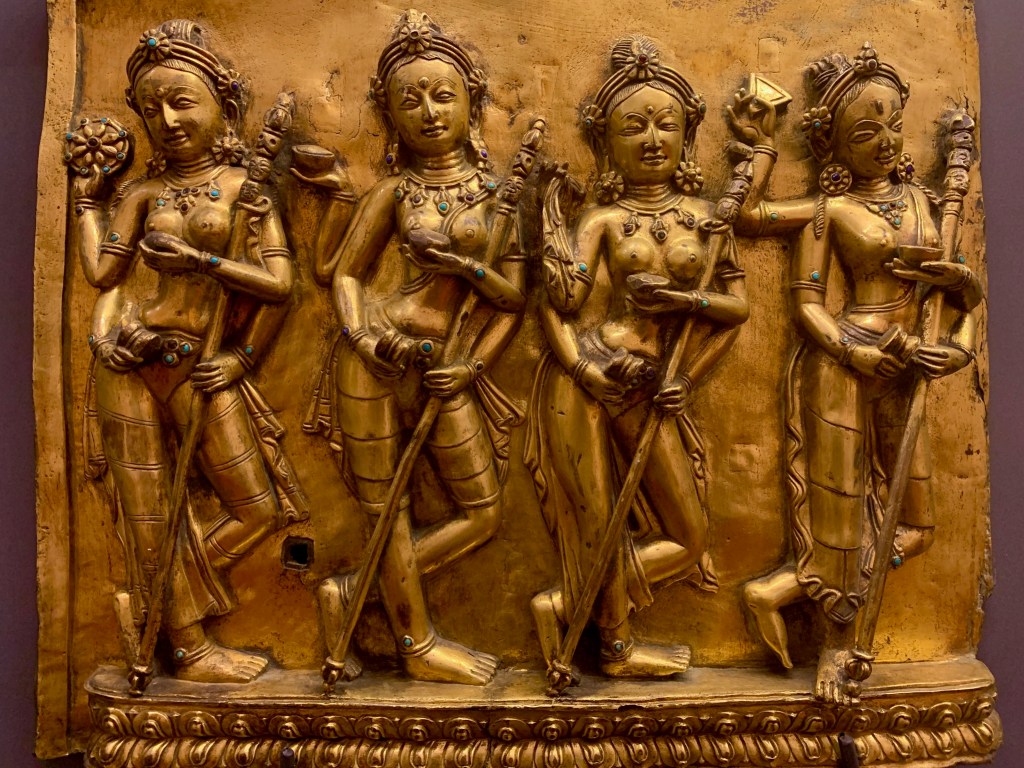
Gilded bronze
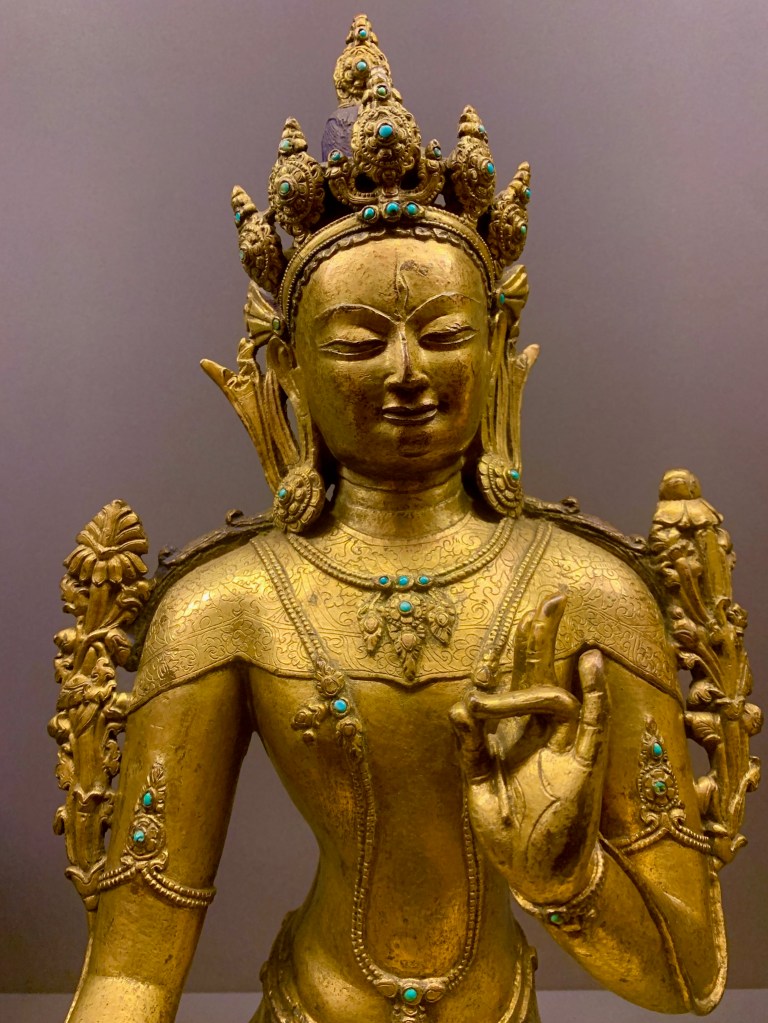
Gilded bronze with pigments and turquoise

Gilded bronze
 Ben Hills-Jones